Enhance Your Outdoor Space: Why You Should Hire Professional Tree Cutting Services
Transforming a landscape can be a complex task. Working with skilled tree cutting specialists streamlines this task. These experts possess specialized expertise and abilities, guaranteeing safe and efficient tree removal. This improvement not only boosts curb appeal but also safeguards property value. However, many homeowners overlook essential aspects of tree care. Understanding the benefits and potential pitfalls can lead to better decision-making. What key aspects should homeowners examine before contracting these specialists?
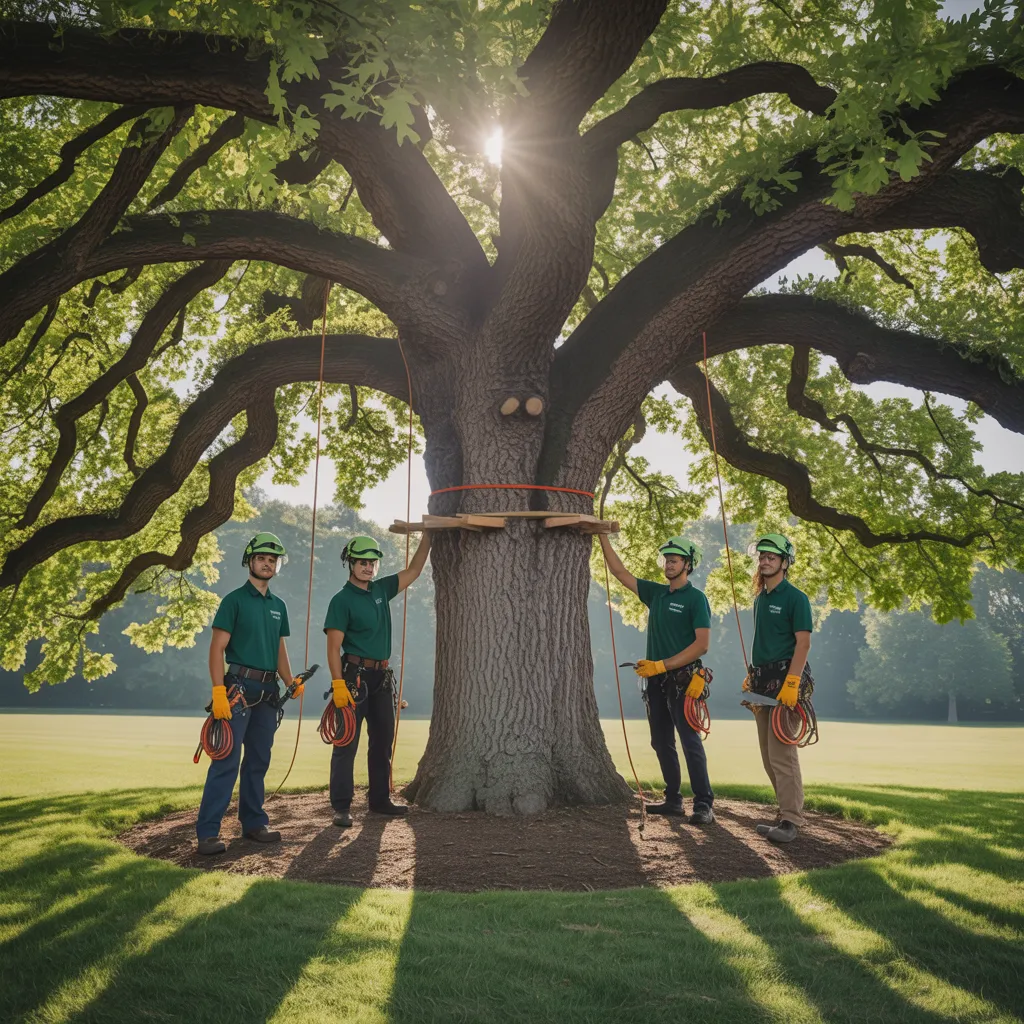
Why You Should Hire Professional Tree Cutting Services
When thinking about tree maintenance, many homeowners recognize the substantial value of working with expert tree cutting services. These professionals possess expert knowledge about tree species, growth habits, and proper cutting techniques, guaranteeing that trees are trimmed or removed accurately. This knowledge decreases the chance of damage to nearby structures and landscapes, supporting a healthier environment.
Furthermore, expert tree removal specialists are equipped with the essential instruments and safety apparatus, which are typically pricey and necessitate specialized training to handle. This not only enhances efficiency but also reduces the likelihood of accidents or injuries during the process. Furthermore, working with professionals can spare homeowners considerable time and effort, allowing them to focus on other important tasks.
Lastly, professional tree services can provide helpful inspections of tree health, guiding property owners on necessary upkeep and care. This proactive approach supports the overall health and appearance of the yard.
How Tree Cutting Services Enhance Safety
Expert tree cutting services significantly improve safety for homeowners and their properties. Overgrown or weakened trees create substantial risks, including the danger of falling limbs during severe weather or high winds. These professionals evaluate tree health and structural stability, recognizing potential hazards before they develop into perilous circumstances.
Certified experts use specialized equipment to safely remove branches or trees, minimizing the chances of accidents that could harm people or damage property. Moreover, they follow safety protocols that ensure the safety of both personnel and the surrounding area.
How the Health of Your Trees Impacts Property Value
Tree health significantly impacts property value, primarily through their aesthetic appeal and structural integrity. Healthy, well-tended trees boost the aesthetic character of a property, drawing in prospective buyers and improving market appeal. In contrast, poorly maintained trees may present safety concerns and reduce curb appeal, ultimately lowering property values.
Tree Aesthetics and Appeal
Well-maintained trees significantly improve the beauty and desirability of a property, influencing its overall value. Well-maintained trees contribute to a verdant, appealing setting, drawing in prospective homeowners and boosting street presence. The presence of vibrant, healthy greenery can create a sense of tranquility and well-being, making properties increasingly attractive. Additionally, full-grown trees deliver coverage and screening, upgrading open-air environments and fostering neighborly connections. When trees are maintained and groomed by specialists, they display a refined look that transforms the whole property. Conversely, neglected or unhealthy trees can detract from a property's visual appeal, possibly reducing its overall worth. Therefore, investing in expert tree cutting services guarantees that trees remain an asset rather than a liability.
Building Integrity and Safety
Even though healthy trees can improve a property's attractiveness, their structural integrity is equally important for overall safety and worth. Weak or diseased trees pose significant risks, including risks of damage to buildings and personal injury. When branches become unstable or roots weaken, the chance of limb failure grows, endangering both individuals and surrounding structures. Property owners must understand that deteriorating trees can reduce home value, as potential buyers commonly shy away source from undisclosed hazards. Routine evaluations by arborists can detect problems before they escalate, ensuring that trees contribute positively to the landscape. By emphasizing proper tree care and security, landowners not only preserve their financial interests but also create an inviting atmosphere that appeals to future buyers and elevates overall property desirability.
Key Things to Know Before Hiring Tree Care Experts?
What steps can homeowners take to select the best tree care professionals? To begin, homeowners should conduct thorough research on prospective companies. Checking online reviews and testimonials can provide insight into the quality of service offered. Moreover, verifying credentials such as insurance and licenses is essential; trustworthy tree care professionals must carry full insurance to safeguard against unexpected incidents.
Homeowners should also request detailed estimates that outline the extent of the project, ensuring there are no hidden costs. It's beneficial to ask about the practices and equipment the provider utilizes, as up-to-date techniques can boost both safety and efficiency. Additionally, a reliable tree care expert will offer a consultation to review particular requirements and offer personalized recommendations.
In the end, homeowners should trust their instincts during the hiring process. Open communication and a professional demeanor can signal a business's dedication to exceptional service. By implementing these measures, homeowners can make informed decisions when choosing qualified arborists.
The Top 5 Tree Care Errors Homeowners Should Avoid
Many homeowners unknowingly make significant mistakes when caring for trees which can cause long-term damage. One common error is improper pruning, which can weaken a tree's structure and promote disease. Additionally, neglecting to mulch can lead to soil erosion and moisture loss, which harms root systems. Overwatering is another frequent mistake, as it can suffocate roots and invite fungal diseases. Homeowners might also overlook signs of pest infestations, enabling infestations to grow and damage tree health. Lastly, ignoring a tree's mature size during planting can lead to overcrowding, restricting growth and heightening competition for nutrients. Addressing these mistakes is essential for maintaining a vibrant landscape and ensuring the long-term health of trees. By understanding these pitfalls, homeowners can enhance their tree care practices and contribute to a healthier environment.
Choosing the Right Tree Cutting Service for You
Selecting the most suitable tree cutting service can greatly influence the health and aesthetics of a yard. Residents should prioritize companies with licensed arborists who demonstrate the necessary expertise in tree health and safe cutting practices. Researching online reviews and testimonials can offer valuable information about a service's overall performance and dependability. Moreover, gathering multiple quotes helps homeowners to assess costs and service options, allowing they find a provider that fits their budget without compromising on quality.
It is equally important to ensure that the preferred service is fully insured and licensed, protecting the homeowner from potential liabilities. Questions regarding the tools and approaches utilized can also demonstrate a provider's dedication to professionalism and safety. Ultimately, a reliable tree cutting provider will offer a thorough assessment of the trees, supplying advice on maintenance and ongoing care to maintain the integrity of the landscape. Ultimately, well-informed choices ensure homeowners choose a service tailored to their unique requirements.
Common Questions and Answers
How Much Do Professional Tree Cutting Services Typically Cost?
The typical cost of professional tree cutting services is between $200 and $2,000, with pricing influenced by the tree's size, placement, and the overall scope of the project. Supplementary costs may be included for stump extraction and other professional add-on services.
What Season Is Ideal for Tree Cutting?
The optimal time for tree cutting usually occurs in the period between late winter and early spring, before new growth begins. This approach helps minimize tree stress and lowers the likelihood of disease spreading.
What Permits Are Required for Tree Cutting?
Yes, specific permits are often required for tree cutting, according to local regulations. Land owners should consult municipal authorities to ensure compliance and avoid potential fines or legal issues associated with unpermitted tree cutting.
How Do I Determine if a Tree Should Be Cut Down
A tree may need cutting when it displays symptoms of decay, dying limbs, or noticeable tilting. Furthermore, if it presents a hazard to nearby buildings or individuals, consulting a professional for a thorough inspection is strongly advised.
What Equipment Is Used by Tree Cutting Specialists?
Tree service specialists commonly rely on chainsaws, pruning saws, axes, and chippers. Essential safety equipment includes helmets, gloves, and harnesses. Additionally, trucks and stump grinders may be employed for efficient debris removal and site cleanup.